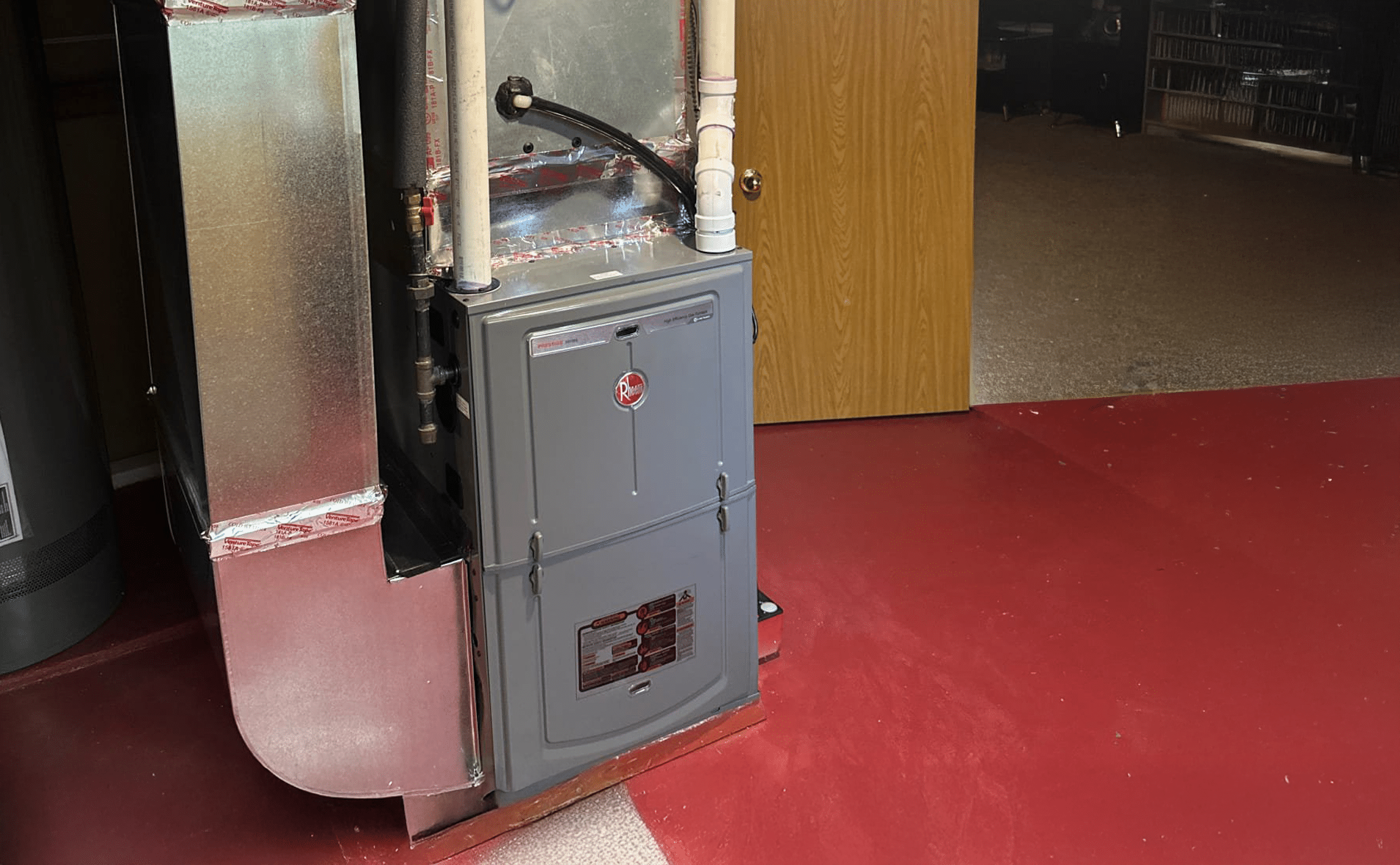
A lot of Bloomington homeowners book a fall HVAC tune-up because they’ve been advised to do so, not because they understand what it entails. That’s a problem, because a rushed or generic checklist doesn’t catch the things that matter.
A real tune-up covers two systems, not one: your furnace, which is about to start working for the first time in months, and your AC, which needs to be shut down properly so it survives a Minnesota winter.
Here’s what a technician inspects during HVAC service in Bloomington, MN, and why each step matters more than it sounds.
Why Schedule a Fall HVAC Tune-Up?
A fall HVAC tune-up includes inspecting your furnace for safe operation, replacing or checking the air filter, testing safety controls, cleaning key components, and preparing your air conditioner for winter. Scheduling service before cold weather arrives helps reduce the risk of unexpected breakdowns.
What Does a Furnace Tune-Up Include?
Your furnace has sat idle since spring. Dust settles, seals dry out, and small issues that wouldn’t matter in July become safety concerns in November.
Heat Exchanger Inspection
This is the single most important check on the list. The heat exchanger separates the combustion process from the air circulating through your home. A crack in it can let carbon monoxide leak into that air stream. Technicians inspect it visually and, where needed, use a camera to check for hairline cracks that aren’t visible from the outside.
Pilot and Ignition System Check
Whether your furnace uses a standing pilot or electronic ignition, this component has to fire reliably every single time the thermostat calls for heat. A weak or dirty ignition sensor is one of the most common reasons furnaces fail on the coldest night of the year, right when you need them most.
Filter Swap
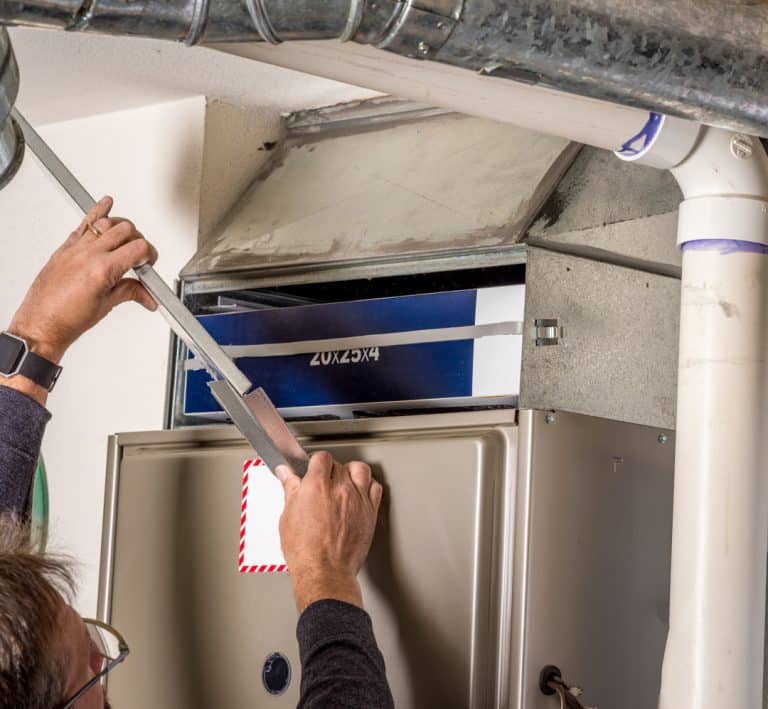
It’s the simplest step on the list and the one most often skipped by homeowners doing it themselves. A dirty filter restricts airflow across the heat exchanger, which makes the system work harder and shortens its life. Swap it before the season starts, not after the furnace has already been running for a month.
Thermostat Calibration and Safety Controls
Techs test that the thermostat is reading temperature accurately and that safety switches, like the limit switch that shuts the furnace off if it overheats, are functioning correctly.
What Does an AC Tune-Up Include?
Your AC doesn’t just get ignored once fall hits. Shutting it down the right way protects it for next summer.
- Condenser coil cleaning: Leaves, grass clippings, and cottonwood seed collect on the outdoor unit all summer. Left in place over winter, that debris traps moisture against the coil and speeds up corrosion.
- Refrigerant level check: A tech checks for signs of low refrigerant now, while the weather still allows for an accurate reading, rather than waiting until next June when a leak has had all winter to get worse.
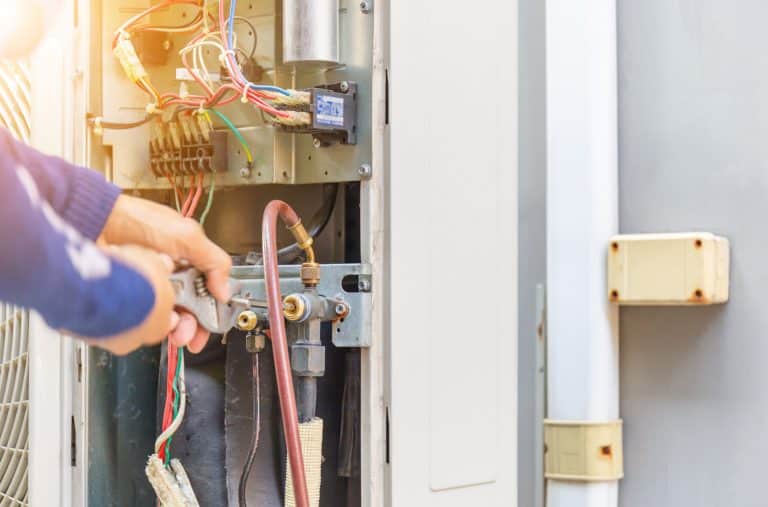
- Electrical connection tightening: Vibration loosens electrical connections over a full cooling season. Loose connections are a common cause of AC failure the following summer, and they’re easy to catch and fix in the fall.
- Drain line clearing: A clogged condensate line can cause water damage that shows up months later, long after anyone remembers the AC was the cause.
While every HVAC system is slightly different, most professional tune-ups include the following inspections.
| Inspection Item | Furnace | Air Conditioner |
| Air filter | ✔ | |
| Heat exchanger | ✔ | |
| Ignition system | ✔ | |
| Thermostat test | ✔ | ✔ |
| Safety controls | ✔ | |
| Electrical connections | ✔ | ✔ |
| Condenser coil cleaning | ✔ | |
| Refrigerant inspection | ✔ | |
| Drain line cleaning | ✔ |
When Should You Schedule a Fall HVAC Tune-Up?
The Twin Cities area typically sees its first hard freeze in early to mid-October, and overnight lows can dip into the 30s well before that. If your furnace has a problem, you want to find out in September, not on the first genuinely cold night when every HVAC company in Bloomington is booked solid.
Waiting until November also means you’re competing for appointment slots with everyone else who ignored the same advice. A tech who has time to check a heat exchanger carefully in September doesn’t have that same time in the middle of a service rush.
That kind of thoroughness is exactly what customers tell us they notice.
One Bloomington homeowner, Bruce, described a recent fall visit this way: “Jacob was extra thorough, and he even explained the function of our heating system for us, alerting us of details to pay attention to for proper maintenance.” The next day, a technician named Carter came out for a separate service call and drained and flushed his water heater. “Quick, efficient and thorough,” Bruce said.
That’s the standard we hold every technician to, whether it’s a furnace inspection or a water heater flush. Our licensed HVAC technicians service all major furnace and air conditioner brands and follow manufacturer-recommended maintenance procedures.
Benefits of a Fall HVAC Tune-Up for Your Minnesota Home
The U.S. Department of Energy recommends replacing HVAC filters regularly and scheduling routine maintenance to help improve efficiency and extend equipment life.
A fall tune-up isn’t about ticking boxes. It’s about catching a cracked heat exchanger before winter, catching a loose electrical connection before it strands your AC next June, and making sure the parts of your system you can’t see are actually doing their job.
Skipping it doesn’t save money. It just moves the cost and the risk to the coldest week of the year.
In Bloomington and across the south Twin Cities, overnight temperatures often fall into the 30s by early October. Scheduling service in September gives you time to address any issues before the heating season begins.
Fall HVAC Tune-Up FAQs
How long does a fall HVAC tune-up take? Most furnace and AC shutdown inspections take between 60 and 90 minutes, depending on the age and condition of your system.
Do I need a tune-up every year, even if nothing seems wrong? Yes. Heat exchanger cracks, loose connections, and refrigerant leaks often don’t show symptoms until they fail completely. Annual inspections catch them early.
What’s the ideal time of year to schedule a tune-up in Bloomington? September, before the first hard freeze hits and before the fall service rush books up every technician in the area.
Can I do any of this myself? Filter swaps and basic debris clearing around the condenser are fine for homeowners to handle. Heat exchanger inspections, refrigerant checks, and electrical work require a trained technician.
Talk to Your Local HVAC Professionals
If your furnace hasn’t been checked since last winter, schedule a fall HVAC tune-up with Alpha Plumbing, Heating & Cooling before Bloomington’s first freeze. We’ll walk you through every step before any work begins, and we offer free estimates if your system is due for a replacement.