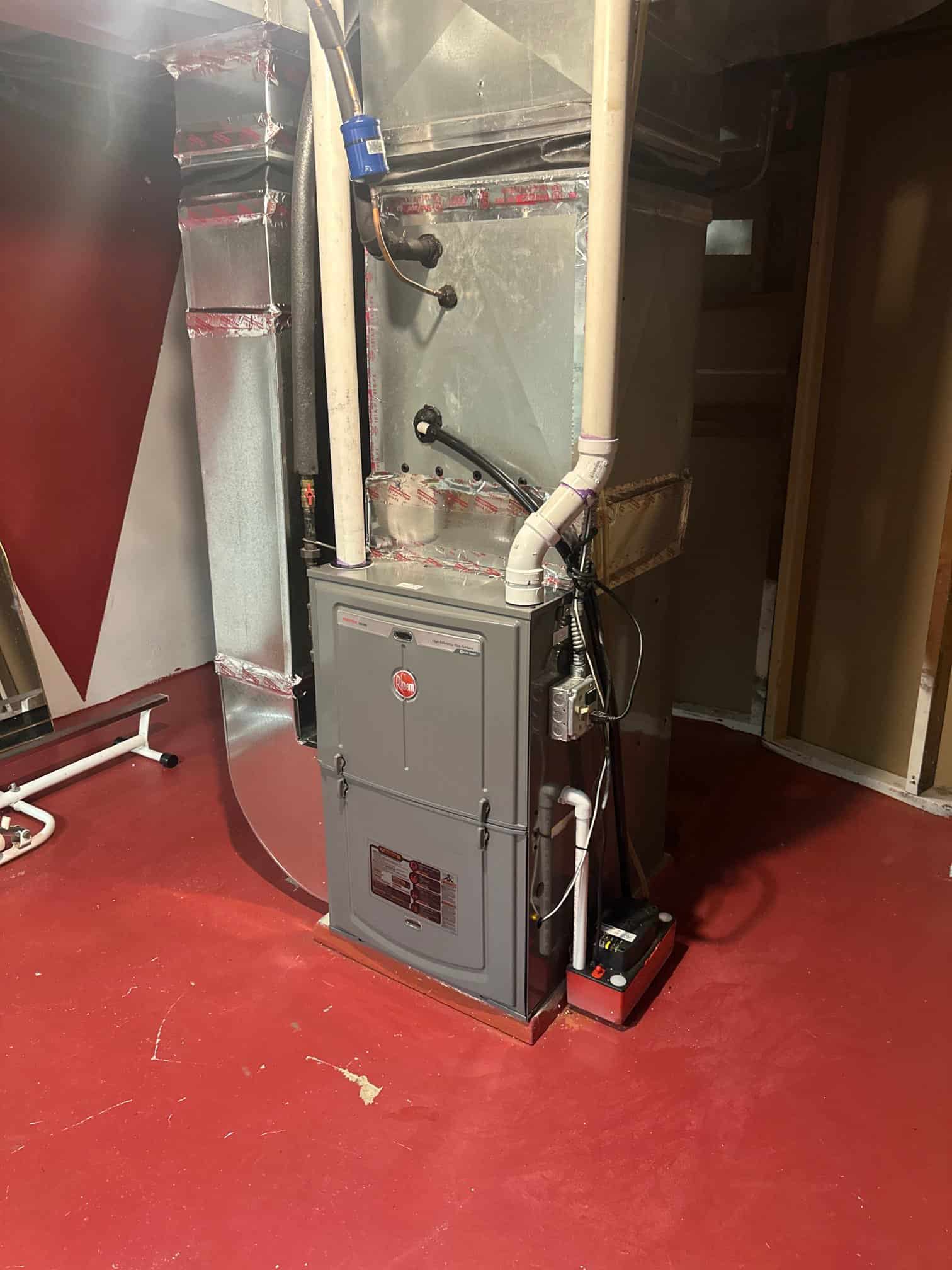
Few things are more frustrating than turning on your furnace in January and feeling cold air coming from the vents. When outdoor temperatures drop, your heating system should deliver steady, warm air. If it does not, something is wrong, and it usually needs attention sooner rather than later.
If you are wondering why your furnace is blowing cold air in January, the good news is that many causes are common and fixable. Understanding what may be happening helps you know when a simple adjustment will do and when it is time to call a professional.
Let’s explain the most common reasons this problem occurs, what it means for your home, and how to prevent it from happening again.
How a Furnace Is Supposed to Work
Before diving into the issues, it helps to understand the basics.
A furnace heats air and then pushes it through your ductwork using a blower motor. Once the heat exchanger warms up, the system sends heated air throughout your home. During normal operation, there may be a brief moment of cooler air at startup, but it should not last.
When cold air continues to blow, the system is either failing to heat properly or shutting down before it can deliver warmth.
Common Reasons Your Furnace Is Blowing Cold Air in January
1. The Thermostat Is Set Incorrectly
This is the simplest and most overlooked issue.
If the thermostat fan is set to “ON” instead of “AUTO,” the blower will run continuously, even when the furnace is not heating. That means cool air circulates between heating cycles.
What to check:
- Make sure the fan is set to AUTO
- Confirm the thermostat is set to HEAT
- Replace batteries if the screen looks dim or unresponsive
A small setting change can sometimes solve the problem immediately.
2. The Furnace Is Overheating and Shutting Down
When a furnace overheats, built-in safety controls shut off the burners to prevent damage. The blower may continue running, which sends cold air through the vents.
A common cause of overheating is restricted airflow.
Typical reasons include:
- Dirty or clogged air filters
- Blocked supply or return vents
- Dust buildup inside the system
In January, when your furnace runs more often, airflow problems show up quickly.
3. A Dirty or Faulty Flame Sensor
The flame sensor detects whether the burner flame is present. If it does not sense a flame, the furnace shuts down the gas supply as a safety measure.
A dirty flame sensor can cause the burners to shut off seconds after ignition. The blower then pushes cold air instead of heat.
This is a frequent issue during peak winter use and requires professional cleaning or replacement.
4. Pilot Light or Ignition Problems
Older furnaces rely on a pilot light, while newer systems use electronic ignition. If either fails, the furnace cannot produce heat.
Possible causes include:
- A blown-out pilot light
- Faulty ignition components
- Gas supply issues
When ignition fails, the furnace may still run the fan, giving the impression that it is working when it is not.
5. Leaky or Disconnected Ductwork
In cold weather, uninsulated or damaged ducts can lose heat quickly, especially in attics or crawl spaces. By the time the air reaches your vents, it feels cool.
Duct problems are often hidden, but they can significantly reduce comfort and efficiency during January’s coldest days.
Why You Should Not Ignore Cold Air from Your Furnace
Now that you know why your furnace is blowing cold air in January, it is important to understand the risks of ignoring it.
Delaying repairs can lead to:
- Higher energy bills
- Complete furnace failure during extreme cold
- Safety risks related to overheating or gas issues
A furnace that is not operating correctly is often working harder than it should, which shortens its lifespan.
What You Can Safely Check Yourself
Before calling for service, there are a few homeowner-safe steps you can take.
- Replace the air filter if it looks dirty
- Check thermostat settings and batteries
- Ensure vents are open and unobstructed
If these steps do not restore warm air, the issue is likely internal and requires professional diagnosis.
When to Call a Heating Professional
If cold air continues after basic checks, it is time to involve a trained technician. January is not the time to experiment with gas, ignition, or electrical components.
A professional can:
- Identify overheating or safety shutdowns
- Clean or replace flame sensors
- Inspect ignition systems
- Check ductwork and airflow
- Restore safe, consistent heating
Early service often prevents more expensive repairs later in the season.
How Alpha Plumbing, Heating & Cooling Can Help
When your furnace is blowing cold air in January, you need fast, reliable help from a local team you can trust.
Our team provides furnace repair, maintenance, and installation services designed to keep homes comfortable during the coldest months. As a locally owned and independent company, we focus on providing fair pricing, high-quality workmanship, and building long-term customer relationships.
Homeowners choose us because we offer:
- Transparent, upfront pricing with no surprises
- Certified technicians with real heating expertise
- A 1-year warranty on every job
If your furnace is blowing cold air or cycling on and off, scheduling a professional inspection early can help prevent a breakdown during extreme cold.