Minnesota homes work harder than almost any others in the country. Your heating system runs for months on end through some of the coldest winters in the continental U.S., and your air conditioner picks up the slack through humid summers that arrive fast and leave late.
That kind of year-round demand makes energy efficiency a real factor in your monthly utility bills.
Smart thermostats promise better control, lower costs, and a more comfortable home, and for most Minnesota homeowners, those promises hold up. But there are real considerations worth understanding before you swap out your existing thermostat.
Alpha Plumbing, Heating, and Cooling installs and services HVAC systems across Minneapolis, St. Paul, and the full Twin Cities metro. Here is expert advice on whether a smart thermostat makes sense for your home.
Are Smart Thermostats Worth It?
For most Minnesota homeowners, yes. Smart thermostats help reduce energy use, improve comfort, and give you more control over your heating and cooling system.
They are especially valuable if you:
- Heat your home for long periods during winter
- Want to lower energy bills
- Travel or have variable schedules
- Own a second home or cabin
Here’s how they work and what to consider before installing one.
What Does a Smart Thermostat Do? Key Features Explained
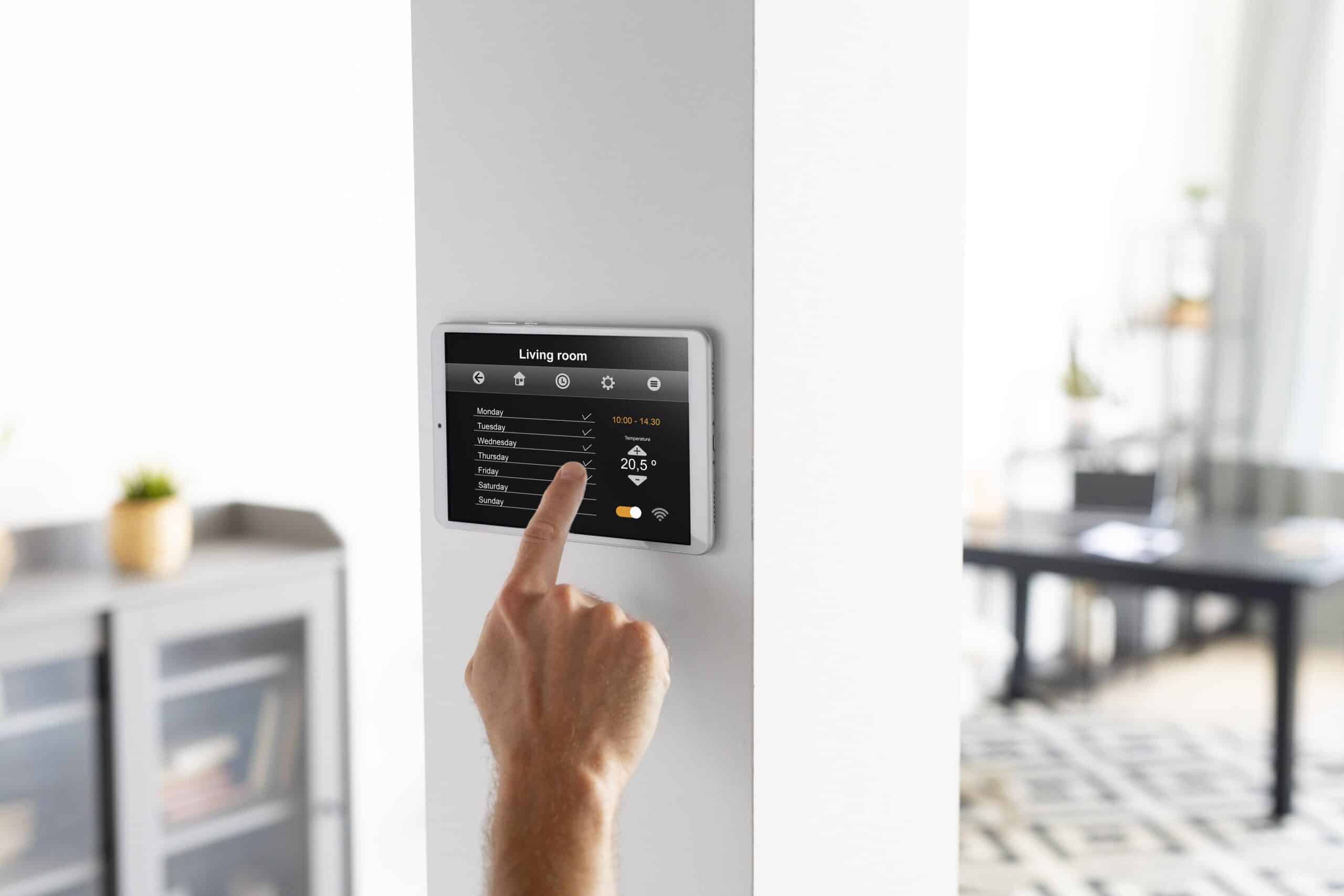
Smart thermostats offer more than just scheduling; they provide intelligent control and automation to maximize home efficiency. The practical benefits for Minnesota homeowners include:
- Remote Access and Alerts: Connect to home Wi-Fi to adjust temperatures from your phone, check system status, and receive instant alerts if issues arise.
- Adaptive Learning: Many models study your daily routine and preferences over time, automatically adjusting to your ideal comfort levels.
- Occupancy Sensing: Built-in sensors detect when the home is empty, dialing back heating or cooling to prevent wasting energy on an unoccupied space.
- Significant Energy Savings: Ramping down your system during work hours and warming it before you return reduces energy consumption.
- Automated Cost Reduction: The U.S. Department of Energy estimates annual savings of up to 10% by adjusting temperatures 7°C to 10°C for eight hours a day—a process these devices handle automatically.
Why Smart Thermostats Make Sense in Minnesota Homes
The heating season in the Twin Cities runs roughly from October through April. That is six-plus months of continuous furnace operation, and small inefficiencies in how your system runs compound significantly over that stretch.
Smart thermostats offer a few features that are particularly valuable in this climate:
- Cold Weather Alerts: Receive instant notifications if temperatures drop, helping you detect furnace issues before pipes freeze.
- Humidity Monitoring: Track dry Minnesota winters and integrate with whole-home humidifiers to maintain ideal comfort levels.
- Runtime Tracking: Monitor system usage to identify when your heating or cooling works harder than necessary, signaling potential maintenance needs.
- Remote Access: Monitor and adjust temperatures at cabins, rentals, or secondary homes in MN and WI for total peace of mind.
When a Smart Thermostat May Not Be the Right Fit
Smart thermostats are a great fit for most homes, but not all.
Older HVAC systems, particularly those without a common wire (C-wire) in the thermostat wiring, may require an adapter or minor wiring work to support a smart thermostat. Multi-zone systems and certain types of heating equipment, including some boilers and high-voltage systems, have limited compatibility with standard smart thermostat models.
A professional installation ensures your new thermostat is wired correctly, communicates properly with your HVAC system, and is configured to take full advantage of its features from day one. A smart thermostat installed incorrectly or paired with an incompatible system will not deliver the performance or savings it is capable of.
How Much Can a Smart Thermostat Save in Minnesota?
The actual savings from a smart thermostat depend on your home’s size, your current heating habits, and how your system operates. Whether you prefer a constant temperature or already use a basic schedule, upgrading to a smart system offers clear financial advantages.
- Immediate Impact: Homeowners who currently maintain a constant temperature 24/7 see the fastest energy savings.
- Refined Efficiency: Even those who already use manual schedules see measurable improvements through precise automation.
- Rapid ROI: Most units pay for themselves within one to three years through significantly lower utility bills.
- Local Rebates: Many Minnesota utility providers offer exclusive rebates that further reduce your upfront installation costs.
For example, if you leave your home at a constant temperature all day while you’re at work, a smart thermostat can automatically reduce heating or cooling during those hours and restore comfort before you return
Investing in a smart thermostat is one of the simplest ways to gain better control over your home comfort while lowering your monthly overhead. Be sure to check with your local utility provider for available incentives before you purchase.
Local Service You Can Count On
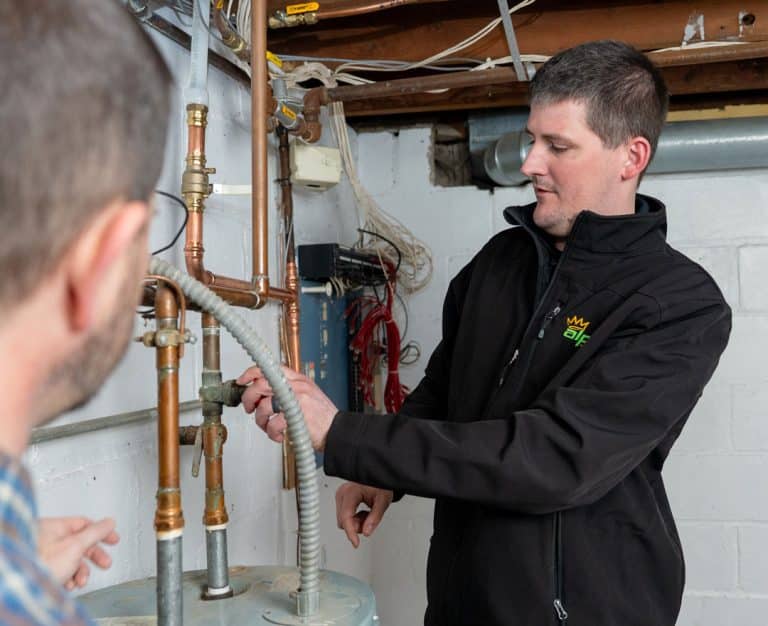
“It was such a great experience working with Carter. He did a fantastic job and explained the process of my repair, and offered to fix it on the spot. He is very professional, skilled, and a pleasant representative of Alpha Plumbing & Heating. I highly recommend them for good customer service and quality services.” – Sandra Presley-Patterson
Should You Upgrade to a Smart Thermostat?
For most Twin Cities homeowners, a smart thermostat is a straightforward upgrade that pays for itself, improves comfort, and adds a useful layer of visibility into how your HVAC system is performing. The key is making sure the model you choose is compatible with your system and installed correctly so it works the way it is designed to.
Alpha Plumbing, Heating, and Cooling installs and services HVAC systems across Minnesota. Our technicians provide upfront pricing before any work begins and honest recommendations based on what your home actually needs.
Call 612-274-0277 or request service online to schedule a smart thermostat installation or HVAC consultation.
Frequently Asked Questions
Do smart thermostats work with all HVAC systems?
Most smart thermostats are compatible with standard central heating and cooling systems, but older systems without a C-wire, multi-stage equipment, and certain boiler or high-voltage systems may have compatibility limitations. A professional installation assessment confirms compatibility before purchase and installation.
How much can a smart thermostat save on energy bills in Minnesota?
Savings vary based on usage habits and home size, but the U.S. Department of Energy estimates up to 10 percent annually for homeowners who consistently adjust temperatures during away or sleep hours. Minnesota’s long heating season amplifies those savings compared to milder climates.
Can I install a smart thermostat myself?
Basic installations are straightforward in homes with standard wiring, but professional installation ensures correct wiring, full system compatibility, and proper configuration. It also protects your HVAC system from potential damage caused by incorrect wiring.
Do Minnesota utility companies offer rebates for smart thermostats?
Yes. Several Minnesota utility providers, including Xcel Energy and CenterPoint Energy, have offered rebates for qualifying smart thermostat installations. Rebate availability and amounts change periodically, so checking directly with your provider before purchasing is recommended.